
Summary: E-commerce businesses need a proper plan for inventory management. Their inventory is a simple way to get more clients and keep the current clients satisfied. If you have poor inventory handling systems, it can affect your overall business reputation. To avoid inventory and other issues in your business, learn in detail about the tips to manage your inventory. For long-term benefits and business growth, investing in better maintenance of your inventory is worth the effort.
________________________________________________________________________________________________________________
Best Practices for Inventory Management in eCommerce Businesses
Small Business Inventory Management | ABC Analysis in Inventory Management | EOQ Formula
UK ecommerce businesses need refined services for proper inventory management. eCommerce businesses can use this management system to ensure efficiency and quickness in their procedures. This type of management is beneficial for overseeing purchases, managing stocks, fulfilling orders, and analysing products. It’s always been a part of traditional business operations.
But to manage warehouse inventory management software, businesses should learn different tips. Properly maintained inventory helps businesses manage their demands, avoid stockouts, and keep customers coming again. Understanding different techniques, procedures, and tips ensures businesses can manage their inventory better.
What is an Inventory Management System?
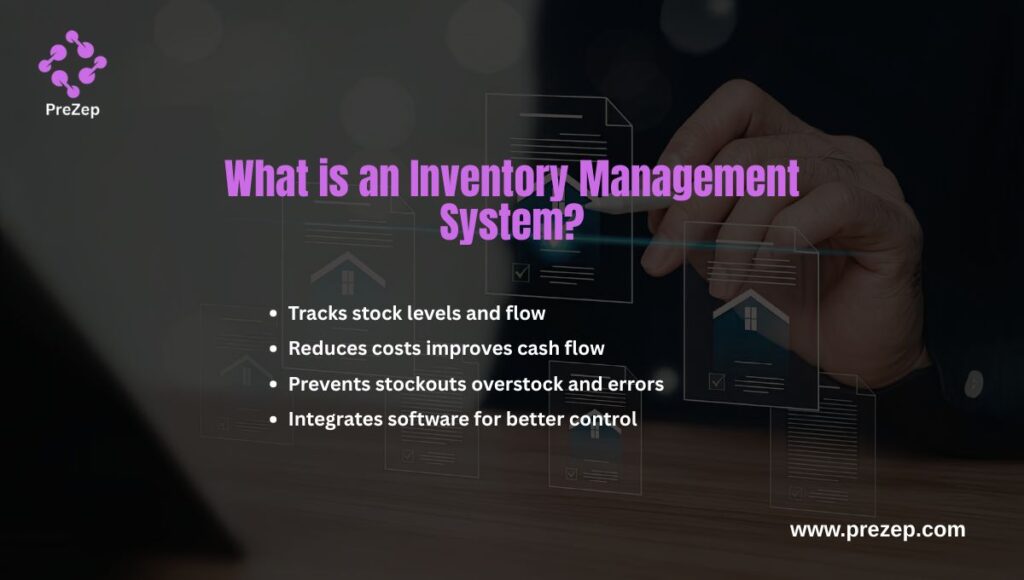
eCommerce inventory management is the procedure of tracking stock levels and the flow of goods. From raw materials to finished products, everything is involved. It’s a special part of supply chain management to help businesses decrease costs, improve cash flow, and increase profitability. When your inventory is properly managed, you can make your operations management much simpler. It is effective for avoiding costly issues like stockouts, overstock, spoilage, and shipping errors.
Still, most businesses face issues. It happens because poor inventory can lead to bad finances. That’s why having a reliable system with improved visibility is necessary in Inventory planning. Inventory software usually focuses particularly on controlling inventory. Most tools are easy to integrate with other platforms. It allows businesses to customise the tech stack according to their specific business needs.
Components of Inventory Management Technology
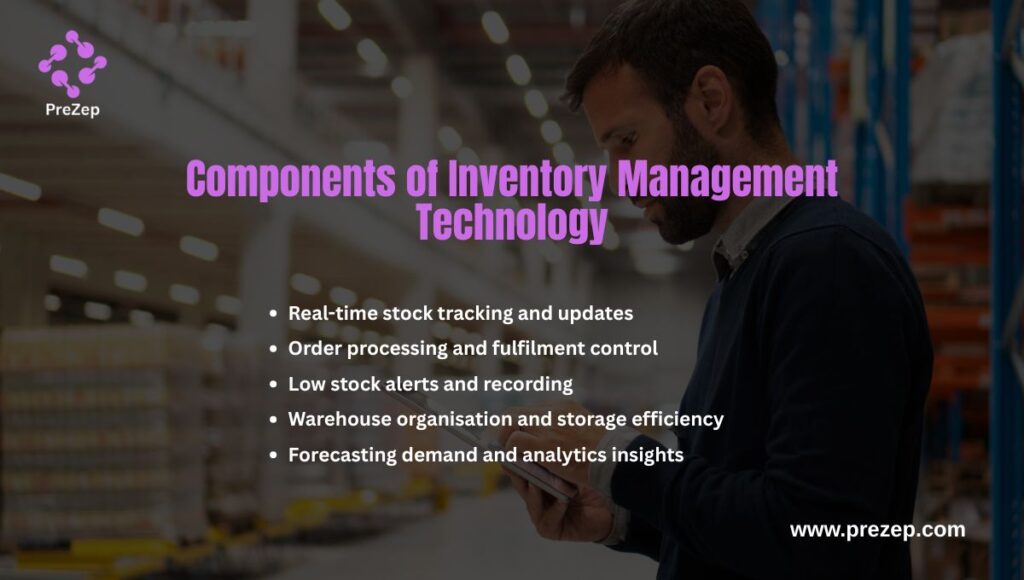
A balanced inventory management allows businesses to keep track of their products, streamline fulfilment, and make better decisions. Understanding the components of this management helps businesses make their inventory further powerful.
-
Stock Tracking
It is one of the most important components in every inventory system. It helps keep a record of every product and variation, from colours to sizes of different products. When the orders come in, stock levels adjust automatically. It helps prevent conflicts and keep the listings accurate.
-
Order Management
This procedure ensures that every product moves through the fulfilment process without errors. When the customer places an order, the system immediately reserves the item. Updates its availability and keeps order details aligned with stock data. It is beneficial for decreasing mistakes during picking and packaging. It also helps ship the orders on time.
-
Recording Tools
You can maintain healthy stocks with the help of recording tools. They offer a notification when items reach a low amount. It is also effective for generating buying orders automatically. Businesses can restock before products run out, especially during busy periods when demand is high.
-
Warehouse Organisation
Fulfilment becomes more efficient and easier to maintain through a well-organised warehouse. Your staff can locate products quickly with well-maintained storage systems. It helps them avoid delays and speeds up the packaging and shipping procedures. They can also avoid overstocking or misplacing their products.
-
Forecasting Demands
This system uses past sales data to understand future stock needs. When businesses recognise trends and seasonal patterns, they can make preparations for busy periods and upcoming events without overstocking. It helps them keep inventory levels balanced with proper budget-friendliness.
-
Multichannel Systems
When you have multi channel inventory management systems, syncing your inventory information. Across your business website, marketplaces, and POS systems becomes easier. When all channels share the same stock count, businesses can avoid overselling and ensure every customer gets their required products.
-
Reporting and Analytics
Businesses can use reporting tools to gain insights related to product performance, stock turnover, and overall sales details. Such details make it easier for businesses to improve the specific methods and identify bestsellers. They can also make smart decisions about inventory planning and purchasing accordingly.
Challenges in Inventory Management
Learning the types of inventory is also necessary, along with the tips for inventory management. But businesses can still stumble upon various challenges. Remaining aware of these challenges can simplify various procedures for businesses.
-
Lack of Transparency
A transparent supply chain is necessary for smooth inventory operations. However, in various situations. There’s a lack of transparency from the supply chain to e-commerce businesses about the state of inventory handling. It could happen for various reasons, like constant demand for products in low quantities. Or pressurising the product suppliers within the supply chain to complete certain requests, but having no products to do so.
-
Lack of Real Data
When businesses want to stand out in the e-commerce industry, they must have the right data. They must know about which type of products are in massive demand, selling at low. How inventory and trends are fluctuating, and which items need to be restocked more often. If you don’t have the specific tools and techniques to gather such data, then things become complicated for inventory management.
-
Overselling and Overstocking
If you are having demands for a product that is not available in a massive quantity in stock. Or you have a massive quantity of a product, but it’s not selling well. Then these situations can make it difficult to manage the inventory.
-
Unable to Scale Operations
If you don’t have a hand in inventory management or cannot scale your operations to generate profits. Things can become difficult. If you work with vendors or sell products on additional platforms, you can smoothly manage the inventory. But if you’re restricting yourself to a single platform and fewer people, then you can face various issues.
Best Inventory Management Techniques
When businesses want to manage their inventory, they should learn trending tips. It will help them invest in better strategies to get long-term outcomes.
It is one of the most effective methods for success in e-commerce businesses. Investing in this management software helps ensure your daily operations are running smoothly. This system is a combination of hardware and software technology. They help track and manage product inventory, sales, and other aspects of production processes.
Otherwise, business owners can face difficulty in managing inventory. This system is also beneficial for order management. Businesses can also connect their inventory software with other digital systems for better fulfilment and decision-making.
-
Review Past Sales Record
Businesses can use the past sales records and forecasting to help determine projected sales numbers. They can even prepare for sales and their increases during specific seasons. When they have enough inventory to support these sales trends, they can keep their customers satisfied. If a business does not have current access to sales reports within its system. It can use Google Analytics and Google Trends reports.
-
Seasonal Changes Preparations
Most businesses know that the cost of goods sold changes at different periods of the year. It especially happens in industries that sell seasonal products. For that purpose, keeping your business prepared for upcoming sales changes is necessary. A well-maintained inventory system can help in this process by letting businesses see when their customers start seasonal shopping.
They can get information about the duration, average spending from a customer, and what type of items they mostly purchase. E-commerce businesses can remain prepared for seasonal changes through the time they have and the available tools.
-
Stock Bestsellers
The simple way to increase the cost of goods sold formula is to follow the new trends in your business industry. When businesses know what their customers are shopping for and how they can supply their demands. To maintain the growing customer base, things become simpler. If they don’t know this information, they can lose customers, and it affects the business name also.
That’s why using a PDM system other than for sales forecasting is beneficial. Through a product data management system, businesses can ensure which products are important and which are not. Instead of having equal inventory management stock for both types of products. You can stock a smaller amount of those products with less favourability.
-
Customers Information Tracking
D2C e-commerce demands businesses to have all types of data upfront. Inventory management systems help to simplify this process by integrating with CRM systems and customer tracking behaviours. These elements significantly help in improving service, satisfaction, and retention when used correctly. Businesses must have trend tracking and customer behaviour information.
-
Optimising Storage and Logistics
For having the right economic order quantity, improving shipping efficiency, and reducing operational costs. Businesses must have an efficient inventory management system. Businesses can improve product tracking and fulfilment speed through optimising their warehouse layouts. Storage strategies, barcode scanners, and using techniques like RFID.
Also, they should use 3PL solutions to outsource their inventory management and shipping operations to logistics experts. Such tactics are beneficial to improve delivery time and affordability.
-
Improved Returns Management
Returns are a necessary part of inventory management. However, poor management can lead to massive issues. Having a refined returns strategy helps maintain a proper balance in inventory and avoid financial losses. Businesses must have fast restocking, clear returns policies, and automated returns procedures.
-
JIT Inventory Management
Just In Time JIT inventory management is another strategy to maintain your inventory effectively. In this strategy, companies receive raw materials or goods as needed for production and customer demands. They don’t have to keep massive stocks on hand. This procedure helps reduce storage expenses and waste. Aligning inventory orders with production schedules, higher supplier reliability, and accurate forecasting.
-
Other Important Inventory Management Techniques
Businesses can get incredible results for inventory management when they implement the following techniques.
It’s a classification strategy for prioritising inventory. In this system, the products are divided into A, B, and C categories. Their division is based on their specific value, importance, and usage demand. This strategy is beneficial for focusing on high-value and precious items. A-type items are rare but highly valuable, while C-type items are available easily, but their demand is low. That’s why it proves a great strategy for inventory control and prioritisation.
-
FIFO Method
This is a great method for stock valuation and flow management. The oldest stock is used or sold first. This type of method is common in industries like food, pharma, and perishable goods. This technique is beneficial for preventing expiration or wastage. It also helps reflect real stock movement.
-
LIFO Method
Last In, First Out method is the opposite of FIFO for stock valuation. The latest stock is used or sold first in this method. This method is usually beneficial for accounting and tax purposes. It helps reduce taxable profit due to inflation. However, this method is less practical for physical stock movement. Using this method to learn how stocks are used or valued is beneficial.
Top-Notch Inventory Management Services with PreZep
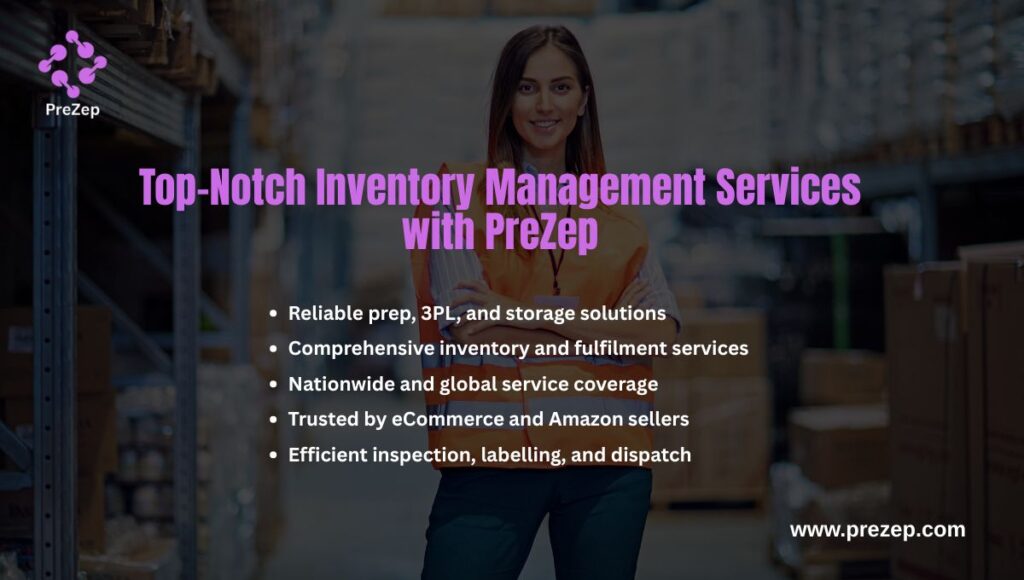
Inventory management is the top priority of businesses, but they also need to ensure proper warehouse safety. For that purpose, the best storage centre, 3PL partner, and prep centre for businesses is PreZep.
- As a leading prep centre in the UK, we offer inventory management, e-commerce, and fulfilment solutions.
- We offer nationwide and worldwide services to businesses of different sizes.
- Amazon sellers, e-commerce sellers, and businesses prefer our services because we deliver the best results.
- Whether you need storage, inspection, receiving, dispatchment, or fulfilment services, we can help.
- We have a unified procedure to thoroughly inspect, label, and hand over the products for careful shipping.
- Manage your inventory smoothly with our assistance!
Conclusion
To conclude, inventory management is a special procedure for businesses in all industries. Proper management directly affects the overall procedures in your business. Your customers can be satisfied with your better management, and you can get long-term results. But improper management of the inventory can lead to adverse outcomes. To prevent them, learning the best tips and choosing the right prep centre and storage partner matters. So WhatsApp us today for further details.
FAQs
How do you measure to see if you are successfully managing inventory?
Businesses should track inventory metrics such as inventory turnover, fulfilment rate, and holding cost. These metrics are beneficial for learning how you’re managing the inventory and storage expenses. Accurate data helps optimise performance.
What is the difference between inventory management and order management?
Inventory management handles tracking, storing, and controlling stock levels within a warehouse. In contrast, order management handles the end-to-end procedures of receiving, processing, and shipping customer orders.
What do inventory management systems do?
IMS offers tracking, management, and automation of the entire lifecycle of goods. From purchasing and storage to sales and fulfilment, everything is handled by IMS. This system also offers real-time visibility into stock levels for multiple locations.
 Share on WhatsApp